
International registration · 2021

National Diatom Herbarium of Bosnia and Herzegovina

Preserving Diatom Heritage. Advancing Scientific Discovery.

A national scientific collection dedicated to the preservation, documentation and research of diatoms — curated at the Laboratory for the Systematics and Ecology of Algae, Fungi and Lichens, Department of Biology, Faculty of Science, University of Sarajevo.

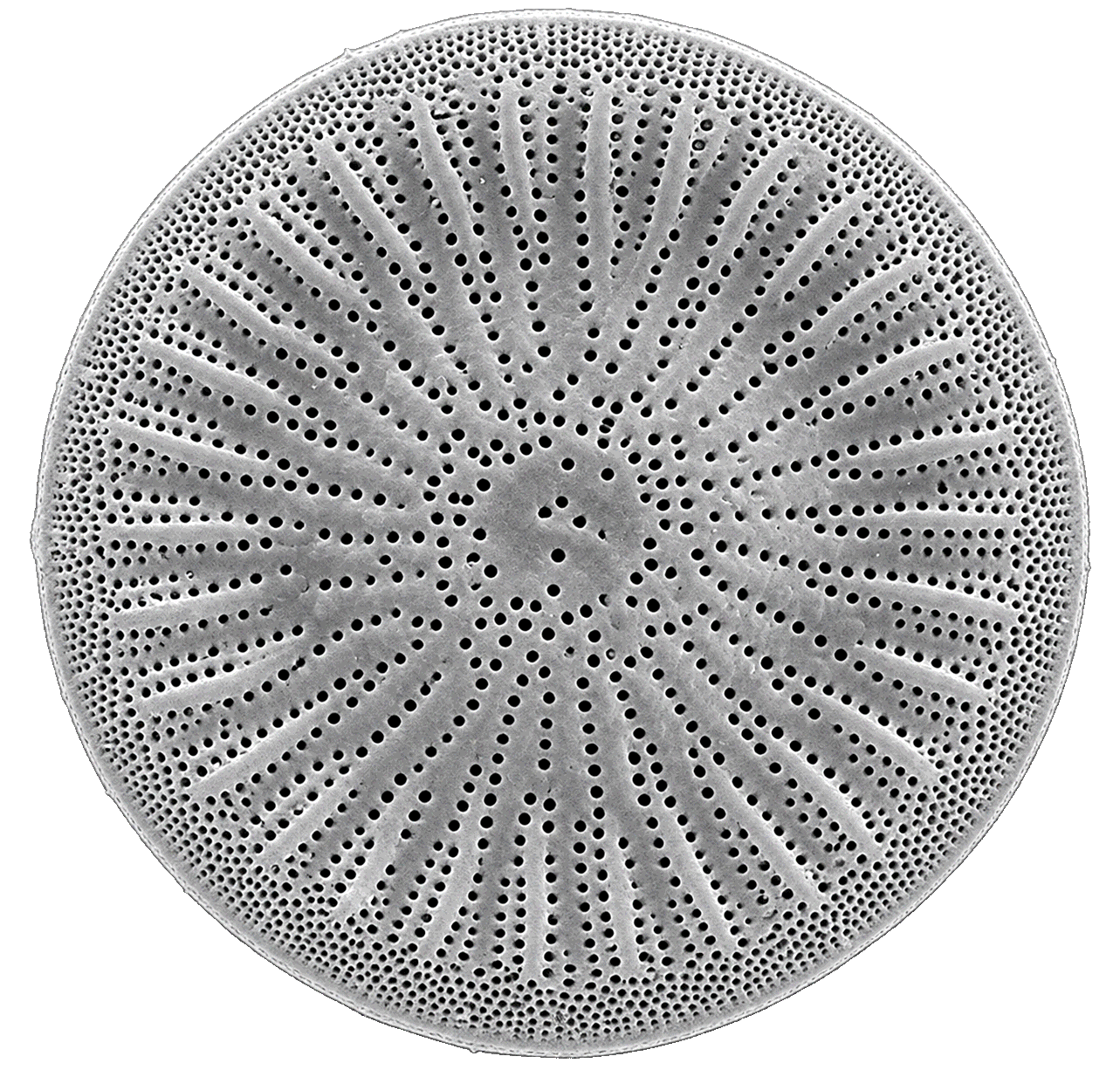
Rimocostatus bugojnicus gen.et. sp. nov. (Coscinodiscophyceae, Bacillariophyta) – a new fossil diatom genus from Gračanica, Bugojno palaeolake in Bosnia and Herzegovina
  • 3,520 Permanent microscope slides
  • 8 Collection series
  • 97.33% Freshwater material
  • 2021 International registration

A national reference collection, held in Sarajevo

DHBH preserves 3,520 permanent microscope slides prepared between 1962 and 2023 — historical material, student theses, dissertation work, project sampling and studies behind scientific publications — arranged into eight series and registered internationally since 2021.

Every slide is documented through a structured digital catalogue linking accession numbers to localities, habitats, sampling dates, collectors and slide numbers, so the collection can be consulted by researchers in Bosnia and Herzegovina and abroad.

About DHBH & The Collection

Institutional background, eight series of permanent slides, the distribution of 3,520 holdings and the structured digital catalogue that documents them.

Host institution

Laboratory for the Systematics and Ecology of Algae, Fungi and Lichens

  • Department of Biology
  • Faculty of Science
  • University of Sarajevo
  • Bosnia and Herzegovina

About DHBH

The National Diatom Herbarium of Bosnia and Herzegovina (DHBH) is the national reference collection of diatoms — siliceous micro-algae whose remains record the state of freshwater and marine ecosystems and who serve as sensitive indicators of environmental change.

The herbarium is maintained at the Laboratory for the Systematics and Ecology of Algae, Fungi and Lichens, Department of Biology, Faculty of Science, University of Sarajevo. Material gathered since 1962 — historical samples, undergraduate, master's and doctoral work, project sampling and studies behind scientific publications — has been curated into eight series and preserved as 3,520 permanent microscope slides.

In 2021 the collection received international registration, making its holdings traceable through the global scientific registers below.

Freshwater material makes up 97.33% of the collection; the documented holdings represent material from 1962–2023.

The Collection

Eight series · 3,520 permanent microscope slides · 3,426 freshwater and 94 marine.

  • Historical Collection 581
  • Undergraduate Theses 209
  • Master's Theses 447
  • Doctoral Dissertations 1,153
  • Vranica Mountain Research 400
  • Scientific Publications 10
  • Research Projects 626
  • Marine Diatoms and Teaching Material 94
  • Freshwater · 3,426 slides · 97.33%
  • Marine · 94 slides · 2.67%

The collection represents material documented from 1962–2023, with the majority of slides originating from freshwater habitats.

Chart: distribution of the 3,520 permanent microscope slides across the eight collection series (A–H). Bar length is scaled to the largest series.

Digital Catalogue

The holdings are documented in a structured digital catalogue. Each record connects a permanent slide to its collection metadata, so the material can be searched, cited and compared without handling the physical slides.

  • Accession numbers
  • Localities
  • Habitats
  • Sampling dates
  • Collectors
  • Slide numbers
Open the digital catalogue DOI · doi.org/10.5281/zenodo.23728934 · opens in a new tab

Research & Education

Two initiatives extend the work of the herbarium beyond the slide cabinet — turning collected material into research output, databases, publications, teaching and trained early-career scientists.

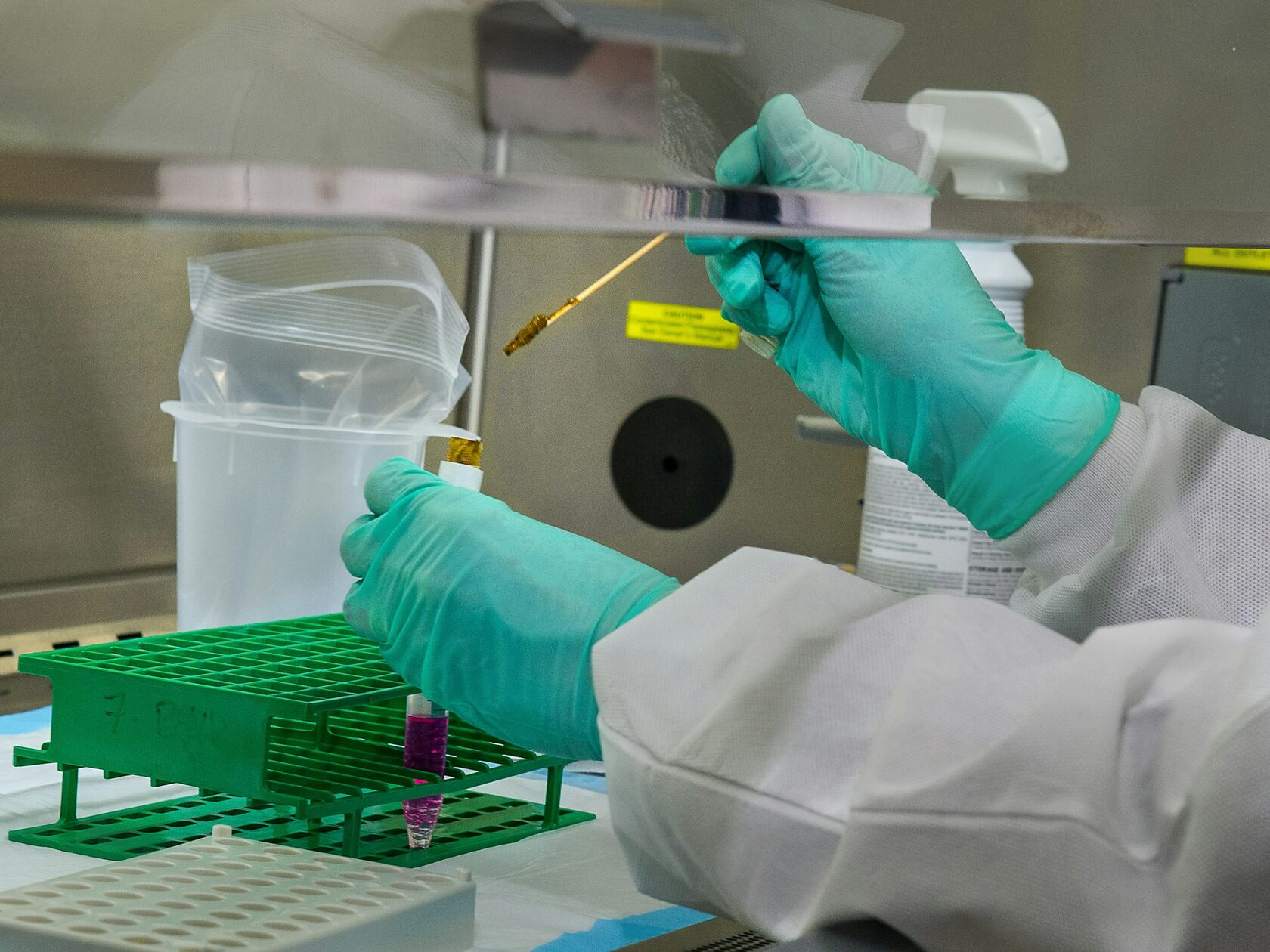
Algal cultures studied in the laboratory
Initiative

ALGBiH Algae of Bosnia and Herzegovina

A research and educational initiative focused on cyanobacteria and algae — combining field and laboratory research with biodiversity data, publications, online teaching and science communication.

  • Research & Inovation
  • News
  • Activities
  • Algae & Kids
  • Blog
  • Team
Visit algbih.tilda.ws Official website of the initiative · opens in a new tab
Programme

ALGBiH Fellowship Research training

A research training and professional development programme for students, early-career researchers and collaborators interested in cyanobacteria and algal research. From microscopic observation to scientific publication – ALGBiH Fellowship provides practical research training across the major stages of cyanobacteria and algal research.

  • Research training
  • Systematics and ecology
  • Microscopy and laboratory techniques
  • Biodiversity documentation
  • Scientific methodology
  • Research communication
Fellowship opportunities The ALGBiH Fellowship Call is now open! Explore the programme, application requirements and research training opportunities. Submit your motivation letter
Meet our fellows Discover the profiles, research interests and achievements of our fellows and collaborators.. COMING SOON
APPLICATIONS OPEN Join the ALGBiH Fellowship Programme! Send your motivation letter to algbihfellowship@gmail.com

Three connected parts of one scientific effort: DHBH holds the material, ALGBiH produces and shares the knowledge, and the ALGBiH Fellowship trains the next researchers.

  • DHBH Scientific Collection
  • ALGBiH Research & Education
  • ALGBiH Fellowship Research Training

National Diatom Herbarium of Bosnia and Herzegovina (DHBH)

Institution & address

Faculty of Science, University of Sarajevo
Zmaja od Bosne 33–35, 71000 Sarajevo,
Bosnia and Herzegovina

Preserving Diatom Heritage. Advancing Scientific Discovery. International registration 2021 · Index Herbariorum · GRSciColl

This site was made on Tilda — a website builder that helps to create a website without any code
Create a website