Type to search disciplines, topics, practicals and glossary terms.
Department of Biological Sciences · Academic Year 2025/26
Biology
Understanding Life. Exploring Nature. Advancing Science.
Biology is the natural science of life: the structure and function of organisms, the molecular machinery of the cell, heredity and evolution, the diversity of species, and the interactions between living systems and their environment. This platform brings the full university curriculum — lectures, practicals, field methods, research literature and reference databases — into one structured academic resource.
Section I · The Discipline
Undergraduate & Graduate Studies
Introduction to Biology
Biology studies living systems at every scale — from quantum events in photosynthesis to the global flows of carbon and energy that sustain the biosphere.
As a science, biology is concerned with the origin, structure, function, growth, evolution, distribution and classification of living organisms. It describes how genetic information is stored, expressed and inherited; how cells convert matter and energy; how organisms develop from a single zygote into integrated functional wholes; and how populations adapt, diversify and speciate over geological time.
Modern biology is irreducibly interdisciplinary. Molecular biology grew out of chemistry and physics; ecology depends on mathematics, climatology and geosciences; evolutionary biology integrates palaeontology, genetics and statistics; and the life sciences now share methods with computation and engineering. Contemporary research routinely combines genomics, field observation, experimental manipulation and quantitative modelling to test hypotheses about living systems.
The discipline is organised around a small number of unifying principles: cellular organisation, the genetic basis of inheritance, the continuity of life through reproduction, the thermodynamic constraints on metabolism, descent with modification, and the interdependence of organisms within ecosystems. University study of biology moves from these foundations toward increasingly specialised, research-driven domains.
“Almost all life on Earth shares the same genetic code, the same molecular currency of energy, and the same cellular architecture — evidence of common descent written into the chemistry of every living cell.” Foundational concept · unity and diversity of life
Levels of biological organisation
- 01Molecular DNA, proteins, membranes, metabolic pathways
- 02Cellular organelles, transport, division, signalling
- 03Tissue & organ histology, physiology, organ systems
- 04Organism anatomy, behaviour, development, reproduction
- 05Population density, demography, gene flow, selection
- 06Community competition, predation, symbiosis, succession
- 07Ecosystem & biosphere energy flow, biogeochemical cycles, global change

Interdisciplinary connections
Section II · Curriculum Map
Explore the Biological Sciences
Ten academic divisions organize the curriculum. Each module carries its own overview, key concepts, methodological toolkit, subdisciplines and core literature, and links to the practical, field and digital resources that support it.
Cell and Molecular Biology
Overview
The cell is the fundamental unit of life, and molecular biology explains how information flows within and between cells. This division treats membrane architecture, organelle function, transport, division and signalling alongside the nucleic-acid mechanisms — replication, transcription, translation and regulation — that govern gene expression. It is the compulsory foundation for every subsequent module in the curriculum.
Key concepts
- Endomembrane system and compartmentalisation of eukaryotic cells
- Central dogma: replication → transcription → translation
- Regulation of gene expression at chromatin, transcriptional and translational level
- Signal transduction, second messengers and cell-cycle checkpoints
- Energy transduction in mitochondria and chloroplasts
Methods & approaches
- Fluorescence and confocal microscopy, immunolabelling, FISH
- PCR, qPCR, gel electrophoresis, blotting, Sanger and NGS sequencing
- CRISPR-Cas9 genome editing, reporter assays, RNA interference
- Cell culture, flow cytometry, proteomics and mass spectrometry
Subdisciplines
- Cell Biology
- Cell Structure and Organization
- Prokaryotic and Eukaryotic Cells
- Cell Membranes and Transport
- Organelles and Cellular Functions
- Cell Division: Mitosis and Meiosis
- Molecular Biology
- DNA and RNA
- Gene Expression
- Protein Synthesis
- Molecular Genetics
- Epigenetics
- Cellular Signalling
- Biotechnology
Recommended literature
- Alberts B. et al. Molecular Biology of the Cell, 7th ed.
- Lodish H. et al. Molecular Cell Biology, 9th ed.
- Klug W.S. et al. Concepts of Genetics, 14th ed.
Related: Laboratory techniques · Lecture materials · Molecular databases
Genetics and Evolutionary Biology
Overview
This division connects Mendelian inheritance with the population-level processes that change allele frequencies across generations. It moves from classical crosses and chromosome behaviour to genome-scale analysis, then to the mechanisms of evolution — selection, drift, gene flow and mutation — and the reconstruction of phylogenetic history. Evolution is treated both as explanatory theory and as a measurable, testable body of evidence.
Key concepts
- Hardy–Weinberg equilibrium and forces that disturb it
- Genotype–phenotype mapping and quantitative traits
- Natural selection: directional, stabilising and disruptive
- Species concepts, reproductive isolation and speciation modes
- Molecular clocks, dN/dS ratios and reconstructing ancestral states
Methods & approaches
- Pedigree analysis, linkage mapping, GWAS and QTL mapping
- Population genomic sampling and allele-frequency statistics
- Maximum-likelihood and Bayesian phylogenetic inference
- Common-garden and selection-experiment designs
Subdisciplines
- Classical Genetics
- Molecular Genetics
- Population Genetics
- Cytogenetics
- Genomics
- Genetic Variation
- Mutations and Heredity
- Evolutionary Mechanisms
- Natural Selection
- Speciation
- Phylogenetics
- Molecular Evolution
- Human Evolution
- Evolutionary Ecology
Recommended literature
- Futuyma D.J. Evolution, 4th ed.
- Hartl D.L., Jones E.W. Principles of Population Genetics, 5th ed.
- Felsenstein J. Inferring Phylogenies (Sinauer Associates)
Related: Featured topics · Genomic databases · Level 2 curriculum
Botany and Plant Sciences
Overview
Plant science spans primary producers that underpin nearly every ecosystem on Earth. The module covers the anatomy and morphology of the major plant lineages — algae, fungi, bryophytes, pteridophytes, gymnosperms and angiosperms — together with photosynthesis, water relations, mineral nutrition, hormonal control and reproductive biology, closing with systematics and the economic and applied uses of plants.
Key concepts
- Alternation of generations and evolutionary transitions in life cycles
- Xylem–phloem transport, stomatal regulation, transpiration pull
- Photophysiology: light reactions, carbon fixation, photorespiration
- Meristems, organogenesis and developmental plasticity
- Floral symmetry, pollination syndromes and seed dispersal
Methods & approaches
- Anatomical sectioning, cleared-leaf and epidermal peel techniques
- Gas-exchange analysis, chlorophyll fluorescence, potometry
- Herbarium curation, morphometric measurement, taxonomic keys
- Seed germination assays and controlled-environment experiments
Subdisciplines
- Plant Anatomy
- Plant Morphology
- Plant Physiology
- Plant Systematics
- Plant Taxonomy
- Plant Diversity
- Algae and Cyanobacteria
- Fungi
- Bryophytes
- Pteridophytes
- Gymnosperms
- Angiosperms
- Plant Reproduction
- Plant Ecology
- Economic Botany
- Applied Botany
Recommended literature
- Raven P.H. et al. Biology of Plants, 8th ed.
- Esau K. Anatomy of Seed Plants, 2nd ed.
- Simpson M.G. Plant Systematics, 3rd ed.
Related: Field sampling · Histological methods · Botanical databases
Zoology and Animal Sciences
Overview
Zoology examines the diversity of animals from invertebrate phyla to mammals: body plans, comparative anatomy and physiology, behaviour, and the evolutionary history of the Metazoa. Taxonomic training is practical and specimen-based, moving from external morphology and internal dissection to the physiological and ecological interpretation of form.
Key concepts
- Body plans, symmetry, coelom formation and segmentation
- Comparative organ systems: circulation, respiration, excretion, nervous
- Optimal foraging, communication, kinship and social organisation
- Parasite life cycles, host specificity and coevolution
- Adaptive radiation across major vertebrate clades
Methods & approaches
- Dissection, osteological and external morphological analysis
- Behavioural observation, ethograms and telemetry
- Pitfall and transect sampling, mark–recapture, camera trapping
- Comparative anatomical measurement and allometric analysis
Subdisciplines
- Invertebrate Zoology
- Vertebrate Zoology
- Animal Anatomy
- Animal Morphology
- Animal Physiology
- Animal Behaviour
- Entomology
- Ichthyology
- Herpetology
- Ornithology
- Mammalogy
- Parasitology
- Animal Evolution
- Animal Diversity
Recommended literature
- Hickman C.P. et al. Integrated Principles of Zoology, 17th ed.
- Pough F.H. et al. Vertebrate Life, 10th ed.
- Ruppert E.E. et al. Invertebrate Zoology, 9th ed.
Related: Field biology · Dissection & microscopy · Zoological databases
Microbiology
Overview
Microbiology deals with organisms and agents below the resolution of the naked eye — bacteria, archaea, fungi, protists, algae and viruses. It integrates cell biology, genetics and biochemistry with medicine, industry and environmental science, and includes the cultivation, identification and safe handling of microorganisms as a core practical competency.
Key concepts
- Prokaryotic cell architecture, cell wall synthesis and motility
- Viral replication cycles, Baltimore classification and latency
- Horizontal gene transfer, plasmids and mobile genetic elements
- Microbial growth kinetics, nutrition and culture conditions
- Antimicrobial resistance, pathogenesis and host defence
Methods & approaches
- Aseptic technique, streak plating, enrichment and selective media
- Gram staining, flagella and spore staining, biochemical identification
- 16S/ITS amplicon sequencing and metagenomic analysis
- Antibiograms, MPN counts, spectrophotometric growth curves
Subdisciplines
- General Microbiology
- Bacteriology
- Virology
- Mycology
- Phycology
- Cyanobacteriology
- Microbial Genetics
- Microbial Physiology
- Environmental Microbiology
- Medical Microbiology
- Industrial Microbiology
- Microbial Biotechnology
Recommended literature
- Madigan M.T. et al. Brock Biology of Microorganisms, 16th ed.
- Tortora G.J. et al. Microbiology: An Introduction, 14th ed.
- Slonczewski J.L., Foster J.W. Microbiology: An Evolving Science, 5th ed.
Related: Microbiological cultivation · Microbiological databases · Practical manual
Ecology and Environmental Biology
Overview
Ecology analyses the distribution and abundance of organisms and the fluxes of energy and matter that connect them. The module proceeds from population dynamics through community interactions to ecosystem metabolism and global biogeochemical cycles, and applies that theory directly to conservation, monitoring, restoration and climate-change biology under real management constraints.
Key concepts
- Population growth models, life-history strategies, r/K selection
- Competition, predation, mutualism, facilitation and succession
- Trophic structure, nutrient limitation, ecosystem productivity
- Species–area relationships, beta diversity, metacommunity theory
- Disturbance regimes, resilience, tipping points and extinction debt
Methods & approaches
- Quadrat, transect, capture–mark–recapture and distance sampling
- Abundance indices, diversity metrics, ordination and clustering
- Remote sensing, GIS mapping and long-term monitoring networks
- Manipulative experiments, BACI designs and meta-analysis
Subdisciplines
- General Ecology
- Population Ecology
- Community Ecology
- Ecosystem Ecology
- Landscape Ecology
- Global Ecology
- Conservation Biology
- Biodiversity
- Biogeography
- Limnology
- Freshwater Ecology
- Marine Ecology
- Soil Ecology
- Ecotoxicology
- Environmental Monitoring
- Climate Change Biology
- Restoration Ecology
- Protected Areas and Nature Conservation
Recommended literature
- Begon M. et al. Ecology: From Individuals to Ecosystems, 5th ed.
- Molles M.E. Ecology: Principles and Applications, 3rd ed.
- Maggiore P.L. et al. (eds) Handbook of Ecological Restoration
Related: Field methods · Ecological databases · Featured topics
Systematics, Taxonomy and Biodiversity
Overview
Systematics is the science of naming, classifying and reconstructing the evolutionary relationships of life. Students master the rules of nomenclature, the construction and use of dichotomous keys, the theory of phylogenetic analysis, and the curation of biological collections — while engaging with modern integrative approaches such as DNA barcoding and biodiversity informatics.
Key concepts
- Binomial nomenclature, type specimens and priority of names
- Phylogenetic species, biological and general lineage concepts
- Cladistics, synapomorphy, monophyly and character homology
- Integrative taxonomy: morphology, molecules and ecology combined
- Digitisation, occurrence records and data-quality standards
Methods & approaches
- Construction and application of diagnostic taxonomic keys
- Herbarium and zoological collection preparation and annotation
- COI / rbcL / ITS barcoding and sequence alignment
- Tree building, topology testing and divergence-time estimation
Subdisciplines
- Principles of Biological Classification
- Taxonomy and Nomenclature
- Systematics
- Species Concepts
- Phylogenetic Systematics
- Biological Diversity
- Identification Methods
- Taxonomic Keys
- Herbarium and Biological Collections
- Biodiversity Databases
- DNA Barcoding
- Biogeographical Distribution
Recommended literature
- Judd W.S. et al. Plant Systematics: A Phylogenetic Approach, 5th ed.
- Mayr E., Ashlock P.D. Principles of Systematic Zoology, 2nd ed.
- Page R.D.M., Holmes E.C. Molecular Evolution: A Phylogenetic Approach
Related: Biodiversity surveys · Taxonomic databases · Glossary
Anatomy and Physiology
Overview
Anatomy describes biological structure; physiology explains how that structure works. Studied comparatively across humans, animals and plants, and grounded in histology at the tissue level, the module integrates the nervous, endocrine and immune systems with development and reproduction to explain how organisms maintain homeostasis under changing conditions.
Key concepts
- Four basic tissue types and organ-system organisation
- Homeostasis, feedback control and physiological set points
- Neural transmission, synaptic integration and sensory transduction
- Hormonal axes, receptor pharmacology and signal amplification
- Innate and adaptive immunity, antigen recognition, immunological memory
Methods & approaches
- Histological fixation, embedding, sectioning and staining
- Electromyography, spirometry, ECG and other physiological recording
- Immunohistochemistry and receptor localisation
- Comparative dissection and organ-system mapping
Subdisciplines
- Human Anatomy
- Comparative Anatomy
- Human Physiology
- Animal Physiology
- Plant Physiology
- Histology
- Neurobiology
- Endocrinology
- Immunology
- Reproductive Biology
- Developmental Biology
Recommended literature
- Guyton A.C., Hall J.E. Textbook of Medical Physiology, 14th ed.
- Ross M.H., Pawlina W. Histology: A Text and Atlas, 9th ed.
- Tortora G.J., Derrickson B. Principles of Anatomy and Physiology, 17th ed.
Related: Histological methods · Anatomy atlas resources
Developmental and Reproductive Biology
Overview
Developmental biology explains how a single fertilised egg generates a complex, patterned organism, and how reproduction perpetuates the cycle across generations. The module links embryology and developmental genetics with gametogenesis, fertilisation and life-cycle theory in both plants and animals, including asexual and sexual strategies and their evolutionary consequences.
Key concepts
- Cell fate determination, competence, induction and morphogen gradients
- Axis formation, gastrulation and germ-layer derivation
- Meiotic recombination, oogenesis, spermatogenesis and gamete competence
- Positional information, Hox genes and evolutionary developmental change
- Life-cycle alternation and the evolution of reproductive modes
Methods & approaches
- Embryo culture, microinjection and lineage tracing
- Gene-expression mapping: in situ hybridisation, reporter constructs
- Loss- and gain-of-function perturbation, mosaic analysis
- Gamete viability assays and fertilisation trials
Subdisciplines
- Embryology
- Developmental Genetics
- Gametogenesis
- Fertilization
- Embryonic Development
- Plant Reproduction
- Animal Reproduction
- Asexual Reproduction
- Sexual Reproduction
- Life Cycles
Recommended literature
- Gilbert S.F. Developmental Biology, 12th ed.
- Wolpert L., Tickle C. Principles of Development, 6th ed.
- Carlson B.M. Human Embryology and Developmental Biology, 7th ed.
Related: Embryo preparation · Featured topics · Cell & molecular biology
Applied and Interdisciplinary Biology
Overview
The final division applies biological knowledge to technological, medical, agricultural and environmental problems. It is where molecular tools meet computation: sequence analysis, genome-scale modelling, synthetic constructs and engineered living systems, alongside conservation genetics, forensic identification and the industrial use of biological catalysts.
Key concepts
- Cloning vectors, expression systems and downstream processing
- Sequence alignment, assembly, annotation and functional prediction
- Design–build–test–learn cycles in synthetic biology
- Population viability analysis and genetic rescue
- Regulatory frameworks, biosafety and research ethics
Methods & approaches
- Recombinant DNA technology, gene circuits, metabolic engineering
- BLAST, multiple alignment, phylogenomics, workflow scripting
- Environmental DNA sampling and trace-evidence analysis
- Life-cycle assessment and techno-economic evaluation
Subdisciplines
- Biotechnology
- Bioinformatics
- Synthetic Biology
- Systems Biology
- Conservation Genetics
- Agricultural Biology
- Pharmaceutical Biology
- Medical Biology
- Forensic Biology
- Industrial Biotechnology
- Environmental Biotechnology
- Nanobiology
Recommended literature
- Primrose S.B., Twyman R.M. Principles of Gene Technology
- Mount D.W. Bioinformatics: Sequence and Genome Analysis
- Nelson D.L., Cox M.M. Lehninger Principles of Biochemistry, 9th ed.
Related: Research & publications · Scientific databases · Self-assessment
Each division functions as a self-contained module page: the overview, key concepts, methodological toolkit, full subdiscipline index and reference list are maintained together with its linked practical protocols, field exercises and curated database records. Cross-references between divisions are reciprocal.
Section III · Selected Science
Featured Topics
Six cross-cutting subjects currently framing discussion across the curriculum — each one linked to its division, supporting materials and primary literature.
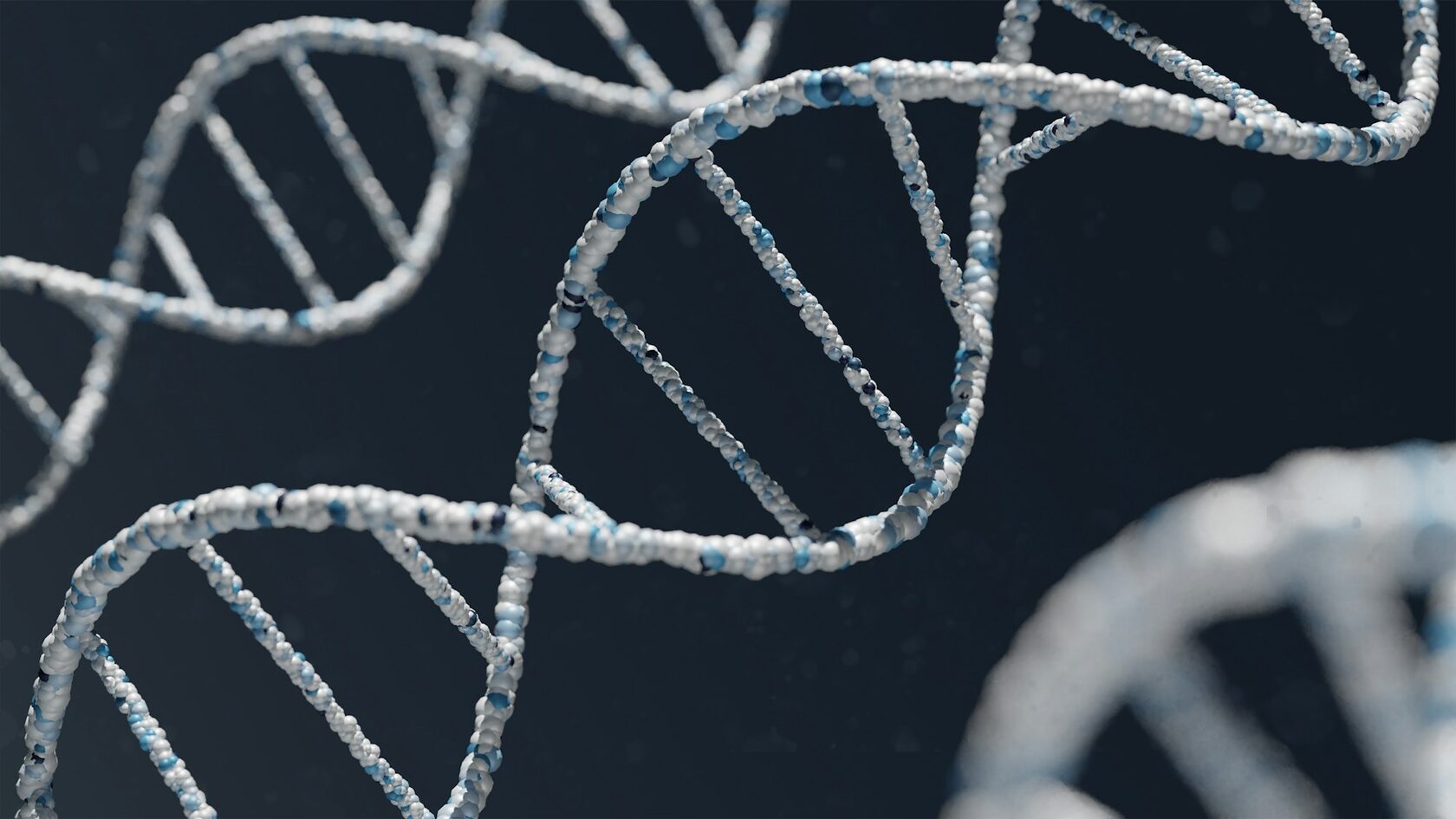
Genome Editing and the CRISPR-Cas System
How guide RNAs direct Cas nucleases to defined loci, the repair pathways that determine editing outcomes, off-target detection, base and prime editing, and the ethical framework governing germline and somatic intervention in human research.
Open topic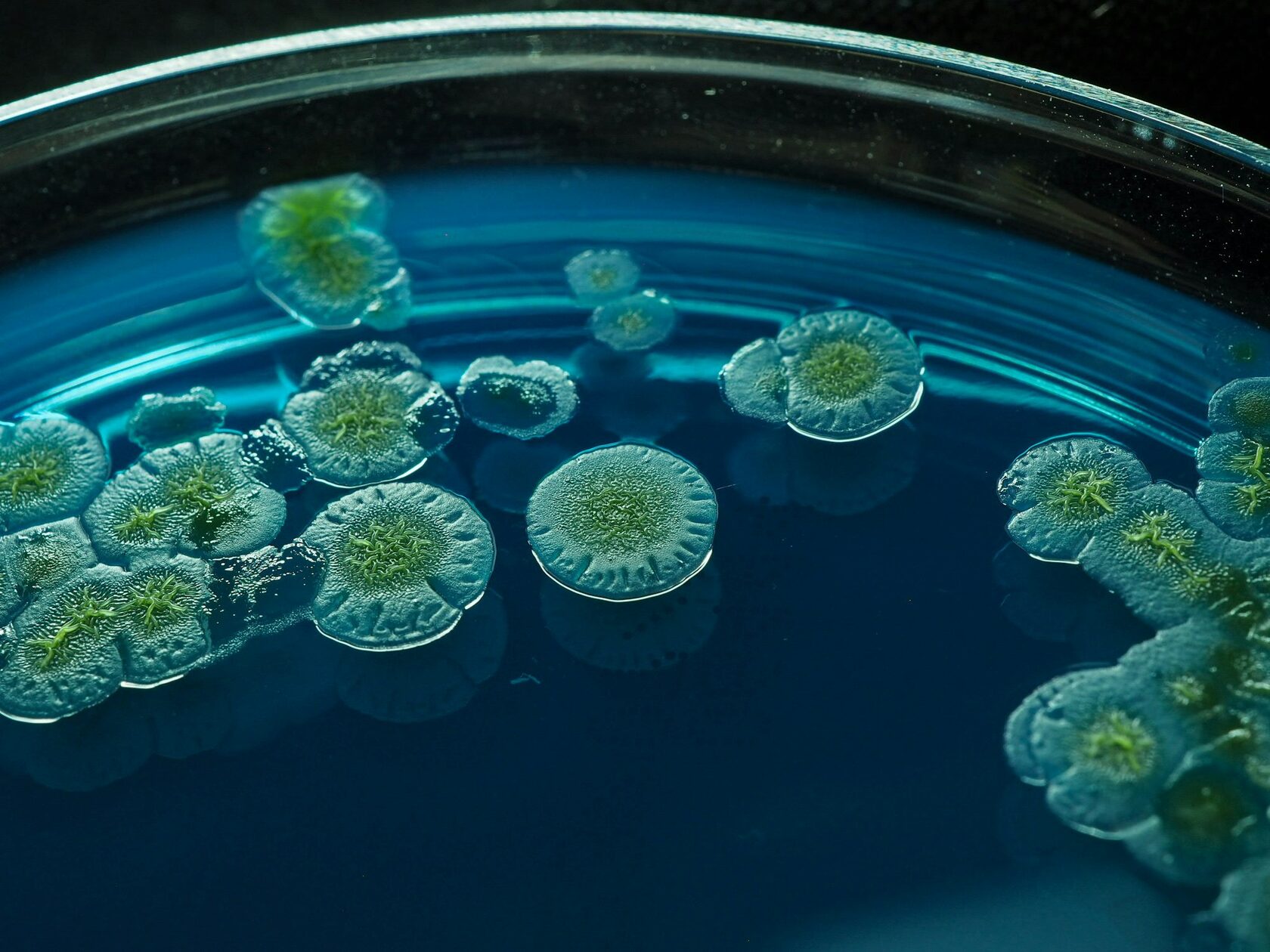
The Human Microbiome and Host–Microbe Interactions
Community assembly in the gut, skin and oral niches; 16S and shotgun metagenomic profiling; dysbiosis and disease association; Koch's postulates revisited for non-culturable taxa; and the design of probiotic and faecal-microbiota interventions.
Open topic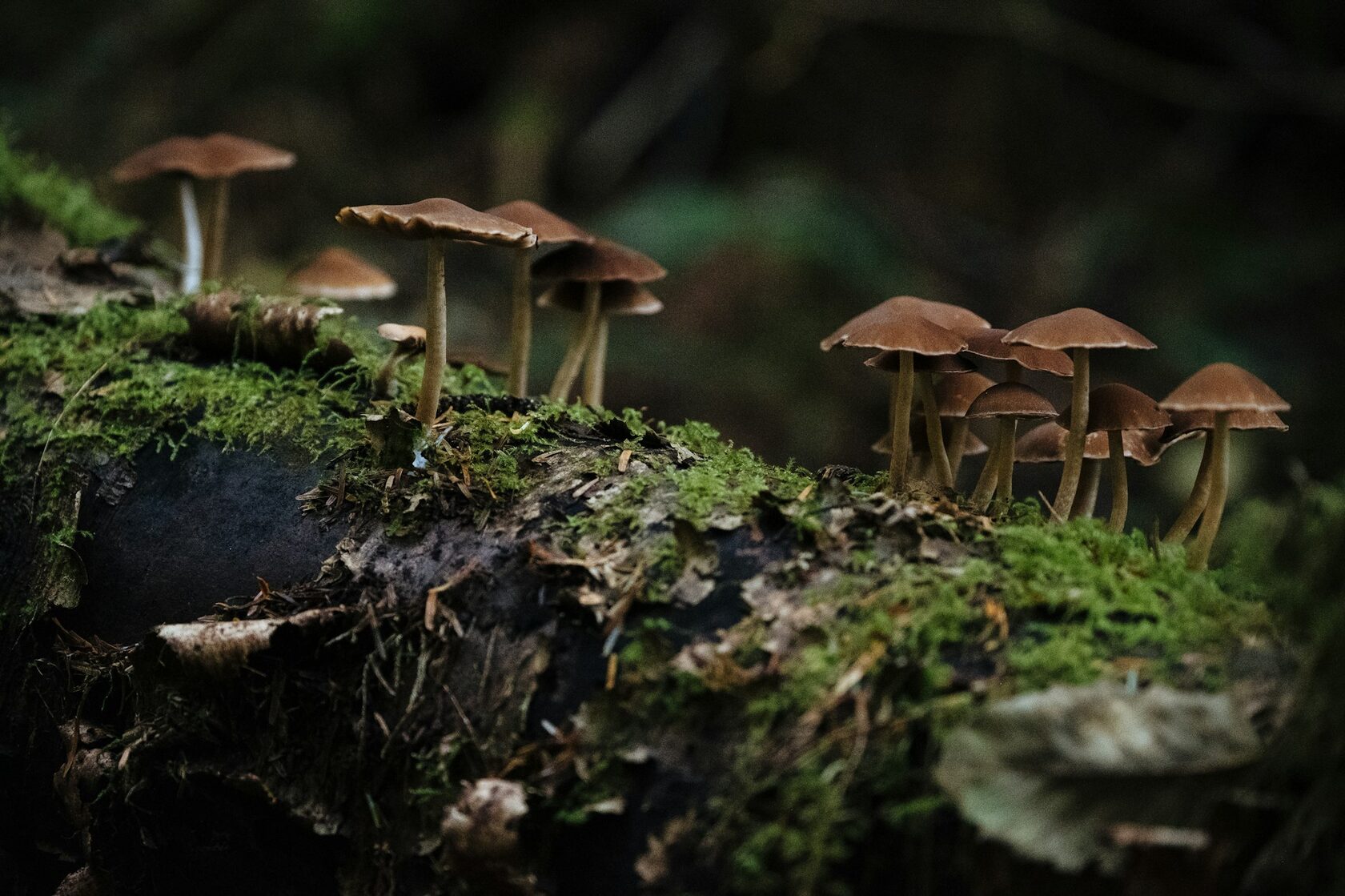
Mycorrhizal Networks and Forest Carbon Flow
Arbuscular and ectomycorrhizal symbioses, common mycorrhizal networks, carbon and nutrient exchange between plants and fungi, isotopic tracing of transfer, and the role of below-ground communities in ecosystem carbon balance.
Open topic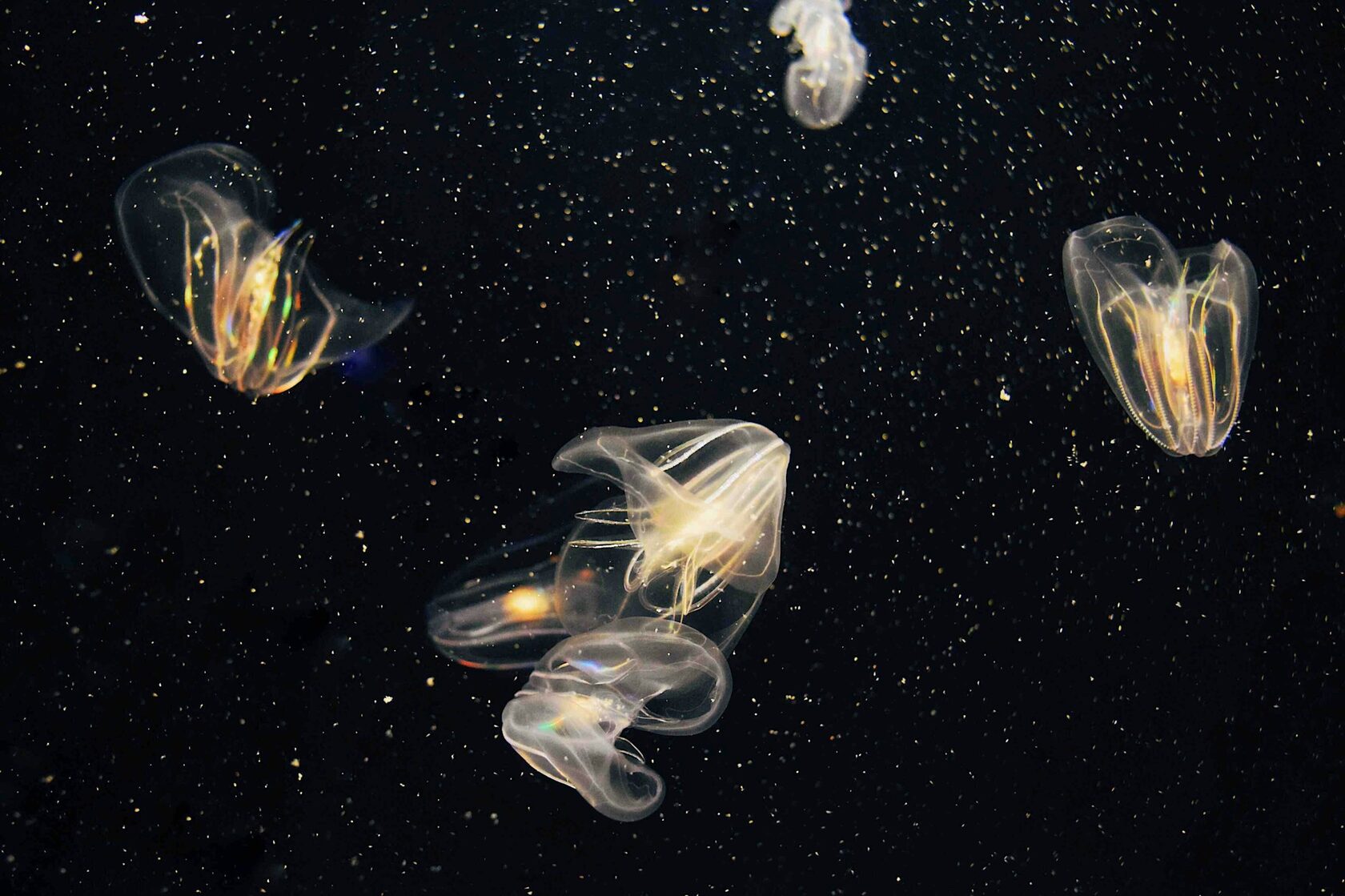
Phytoplankton, the Biological Carbon Pump and Ocean Acidification
Primary production in the photic zone, export flux and the solubility pump, calcifier responses to declining carbonate saturation state, remote-sensing chlorophyll indices, and palaeoceanographic proxies for past CO₂ change.
Open topic
Stress Physiology and Signal Integration in Plants
ABA-mediated stomatal control, reactive oxygen species as signalling molecules, drought and salinity tolerance mechanisms, thermomorphogenesis, and the crosstalk between hormonal pathways that allows a sessile organism to respond to change.
Open topic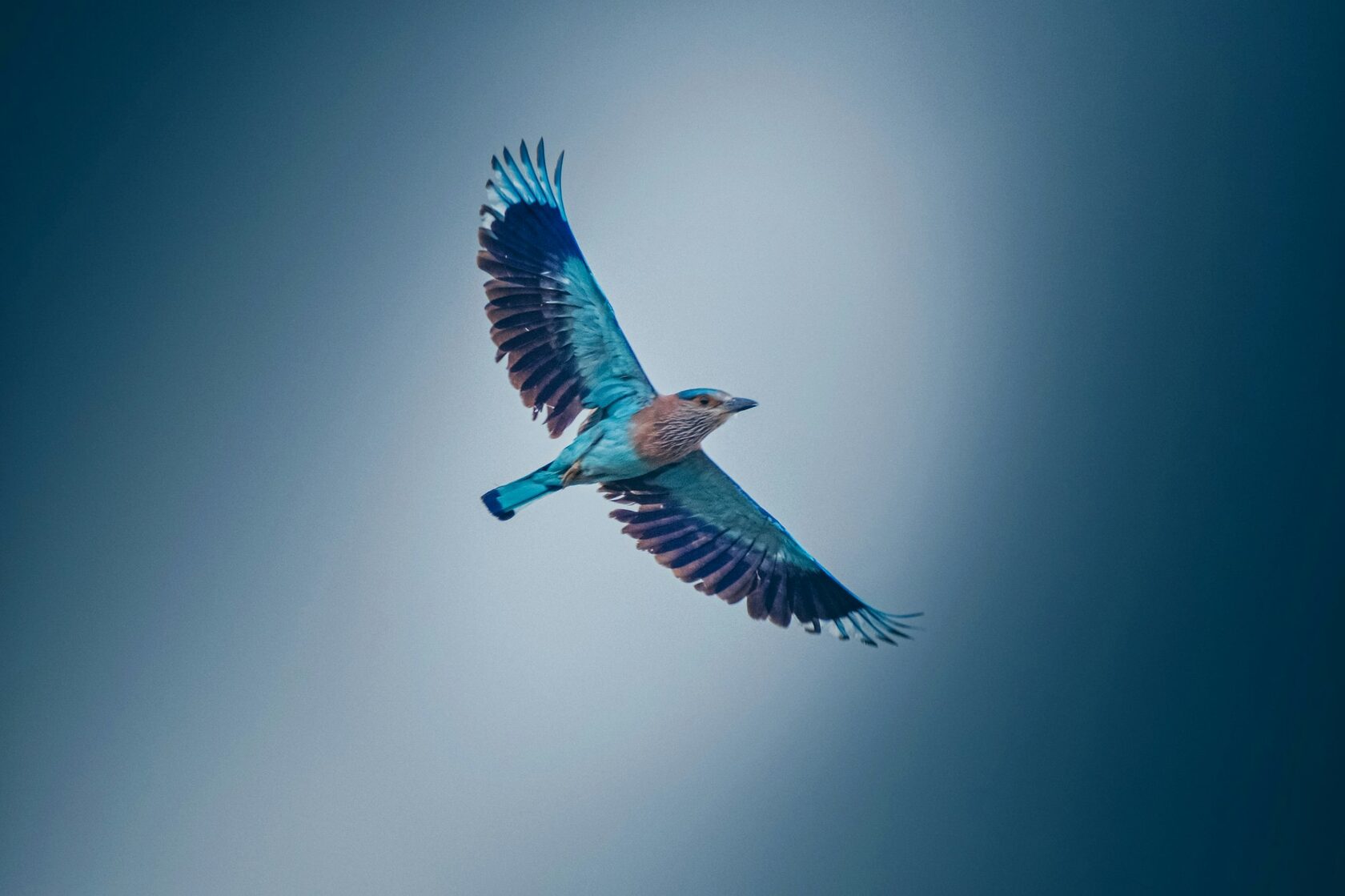
Animal Behaviour under Anthropogenic Change
Phenological mismatch, artificial light at night, noise-mediated change in bird song, urban adaptation and microevolution, movement ecology using geolocators, and behavioural indicators used as tools in conservation monitoring.
Open topicSection IV · Dispatches
Recent News
Field surveys, laboratory results and departmental announcements — reported as they happen, from the rainforest to the reading room.
Showing all 6 dispatches.
Fieldwork · Amazon Basin
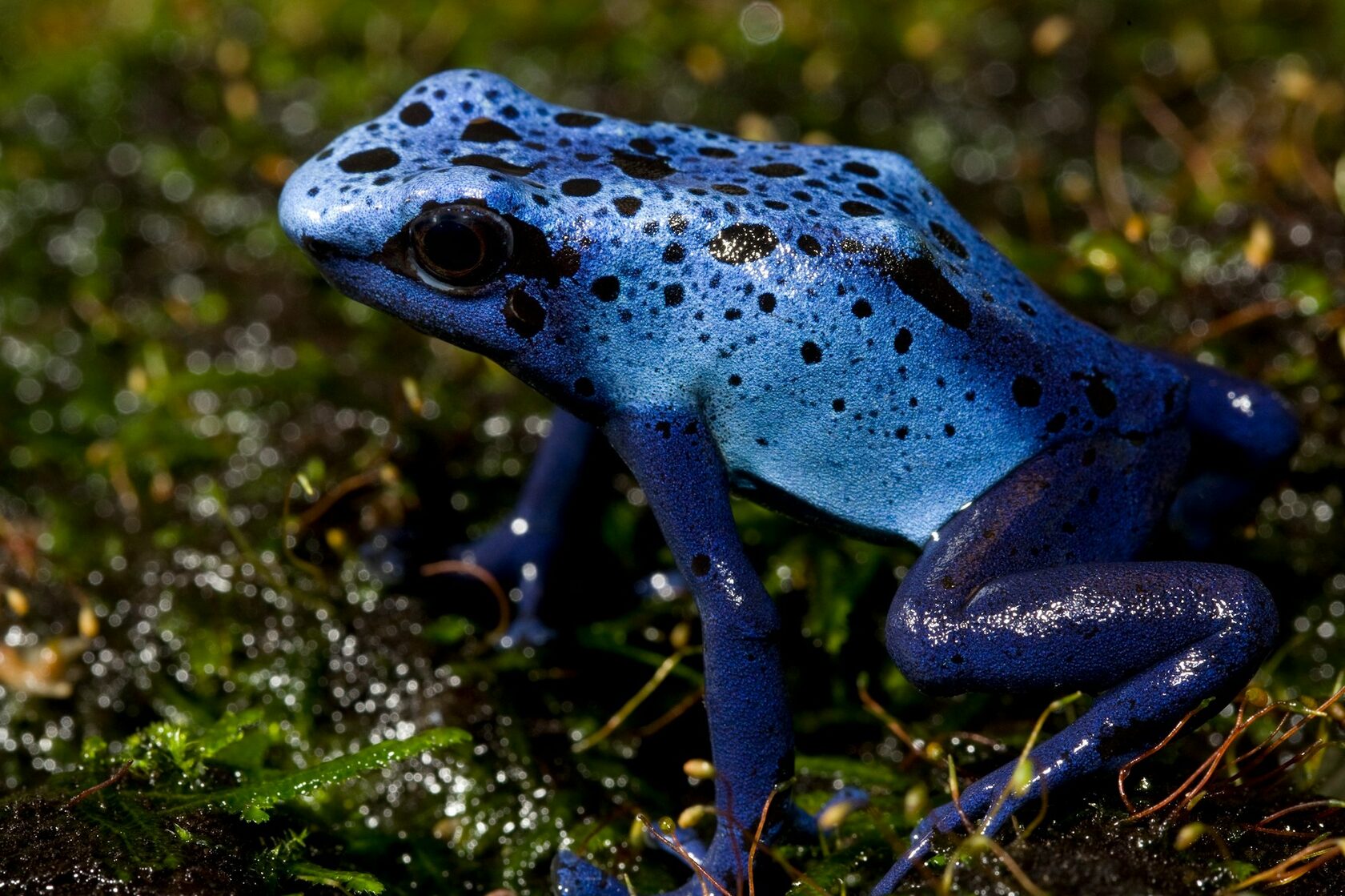
Amphibian survey records three range extensions in the upper basin
Six weeks of nocturnal transects along creeks and leaf-litter plots produced 42 species records, including three documented range extensions for glass frogs previously known only from eastern watersheds.
Read the dispatch
Fieldwork · Amazon Basin
Amphibian survey records three range extensions in the upper basin
Six weeks of nocturnal transects along creeks and leaf-litter plots produced 42 species records, including three documented range extensions for glass frogs previously known only from eastern watersheds.
Read the dispatchThe survey combined visual encounter surveys with automated night recordings to estimate calling activity. Tadpole identification from field photographs was confirmed by DNA barcoding of 18 vouchers deposited in the departmental collection. Three species were recorded significantly west of their previously published limits, suggesting that river corridors act as dispersal routes during high-water years.
All occurrence records were validated against GBIF before publication, and the raw acoustic dataset will be released with the accompanying data paper in spring.

Research · Evolutionary Biology
Phylogenomic study revises the history of Andean colonisation
A 1,200-locus dataset places the diversification of three cloud-forest lineages after the final uplift phase, challenging a long-standing vicariance interpretation.
Read the dispatch
Research · Evolutionary Biology
Phylogenomic study revises the history of Andean colonisation
A 1,200-locus dataset places the diversification of three cloud-forest lineages after the final uplift phase, challenging a long-standing vicariance interpretation.
Read the dispatchSequence capture across 42 taxa was combined with relaxed-clock dating and biogeographic model comparison. The results favour a scenario of dispersal followed by in-situ diversification rather than simple splitting of an ancient widespread ancestor.
The analysis, led by second-year doctoral researchers, is now under review; the alignment and tree files are archived in a public repository for use in Level 3 systematics practicals.

Fieldwork · Freshwater Ecology
Riparian monitoring closes its third year of continuous sampling
Quarterly macroinvertebrate indices, dissolved-oxygen profiles and temperature loggers now cover twelve stations from headwater springs to the lowland floodplain.
Read the dispatch
Fieldwork · Freshwater Ecology
Riparian monitoring closes its third year of continuous sampling
Quarterly macroinvertebrate indices, dissolved-oxygen profiles and temperature loggers now cover twelve stations from headwater springs to the lowland floodplain.
Read the dispatchStudents on the freshwater ecology practical process the samples themselves: kick-sampling, sorting under stereomicroscopes, and assigning tolerance scores to derive a water-quality index for each station.
Three years of data show a consistent recovery signal downstream of the restored riparian buffer, a result the department will present at the spring student research symposium.

Campus · Teaching
New terrarium hall opens for herpetology and tropical botany
Eighteen climate-controlled vivaria and a wet laboratory bring living material into the Level 2 practical curriculum for the first time.
Read the dispatch
Campus · Teaching
New terrarium hall opens for herpetology and tropical botany
Eighteen climate-controlled vivaria and a wet laboratory bring living material into the Level 2 practical curriculum for the first time.
Read the dispatchThe hall supports breeding colonies of two poison-dart-frog species, a aquatic-plant collection for pollination labs, and a quarantine room for incoming material under the departmental biosecurity protocol.
Booking opens for undergraduate project work from the start of the summer term; an open day for prospective students will be held alongside the departmental lecture series.
Research · Conservation Science
Environmental DNA from oxbow lakes detects rare aquatic vertebrates
Water samples from fourteen floodplain lakes recovered vertebrate communities comparable to conventional netting — at a fraction of the field effort.
Read the dispatch
Research · Conservation Science
Environmental DNA from oxbow lakes detects rare aquatic vertebrates
Water samples from fourteen floodplain lakes recovered vertebrate communities comparable to conventional netting — at a fraction of the field effort.
Read the dispatchReplicate 2-litre samples were filtered on site, preserved, and amplified with a vertebrate-specific marker alongside a eukaryotic control. Occupancy modelling accounted for imperfect detection across seasons.
Two species of conservation concern were confirmed outside their previously mapped range, and the protocol will be adopted for the department's routine floodplain monitoring.
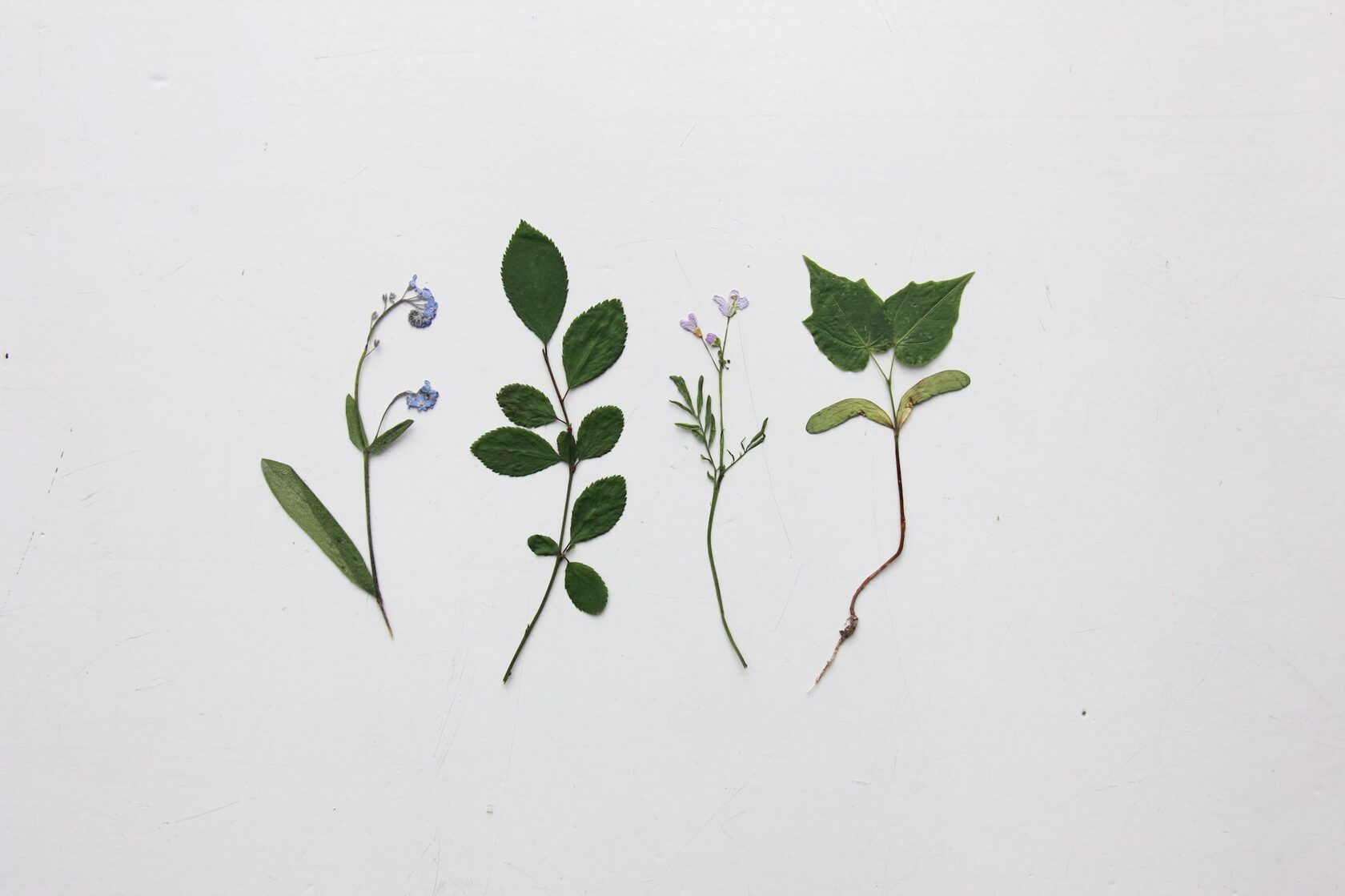
Campus · Collections
Winter school in tropical taxonomy and herbarium practice
A two-week intensive takes thirty students from field pressing to specimen digitisation, closing with a public exhibition of newly mounted plates.
Read the dispatch
Campus · Collections
Winter school in tropical taxonomy and herbarium practice
A two-week intensive takes thirty students from field pressing to specimen digitisation, closing with a public exhibition of newly mounted plates.
Read the dispatchParticipants worked through the department's teaching collection, learning determination, label standards and georeferencing before mounting and digitising their own material.
Applications for the summer edition open in March; places are reserved for Level 2 and Level 3 students, with a small number of external scholarships available.
